Water softeners
The water softener reduces water hardness through ion exchange. The resin captures calcium and magnesium ions, which cause water hardness, and during regeneration, its capacity is restored with a salt solution. The right softener is selected primarily based on water hardness, consumption, required flow rate, and installation conditions.
Ak tieto údaje nepoznáte, nemusíte ich počítať sami. Danumír vám pomôže vybrať konkrétny model z ponuky Danum.
Don't know which softener is right for you?
Danumír will ask you about the water source, hardness, number of people, and installation conditions. From the Danum offer, he will recommend a specific suitable model and explain why he chose it.
First: where do you get your water?
Public water supply
If you are dealing primarily with hard water and limescale, a cation exchange water softener is often the standard solution. When choosing one, the hardness of the water, consumption, and required flow rate are important factors.
Well
When it comes to well water, a water softener alone may not be the right solution. If the water contains iron, manganese, turbidity, odor, or other undesirable substances, the method of treatment should be determined based on a water analysis.
Company or establishment
For food service operations, companies, and facilities with higher or irregular consumption, we select equipment based on the required flow rate and mode of operation.
First: where do you get your water?
Public water supply
If you are dealing primarily with hard water and limescale, a cation exchange water softener is often the standard solution. When choosing one, the hardness of the water, consumption, and required flow rate are important factors.
Well
When it comes to well water, a water softener alone may not be the right solution. If the water contains iron, manganese, turbidity, odor, or other undesirable substances, the method of treatment should be determined based on a water analysis.
Company or establishment
For food service operations, companies, and facilities with higher or irregular consumption, we select equipment based on the required flow rate and mode of operation.
How to choose a water softener
Water hardness
The harder the water, the faster the capacity of the softener is depleted. Therefore, water hardness is one of the basic parameters in the proper design of the device.
Water consumption
The number of people helps estimate consumption, but it is not sufficient on its own. What matters is how much water the household actually uses.
Required flow
The softener must handle the immediate water demand even when water is being used in multiple places at the same time.
Location and conditions of installation
The available space, the size of the connection, the possibility of water drainage, and in some devices, the availability of an electrical outlet are decisive factors.
Don't you want to calculate it yourself?
Danumír will find out this information together with you and recommend a suitable model.
Which type of softener is right for you?
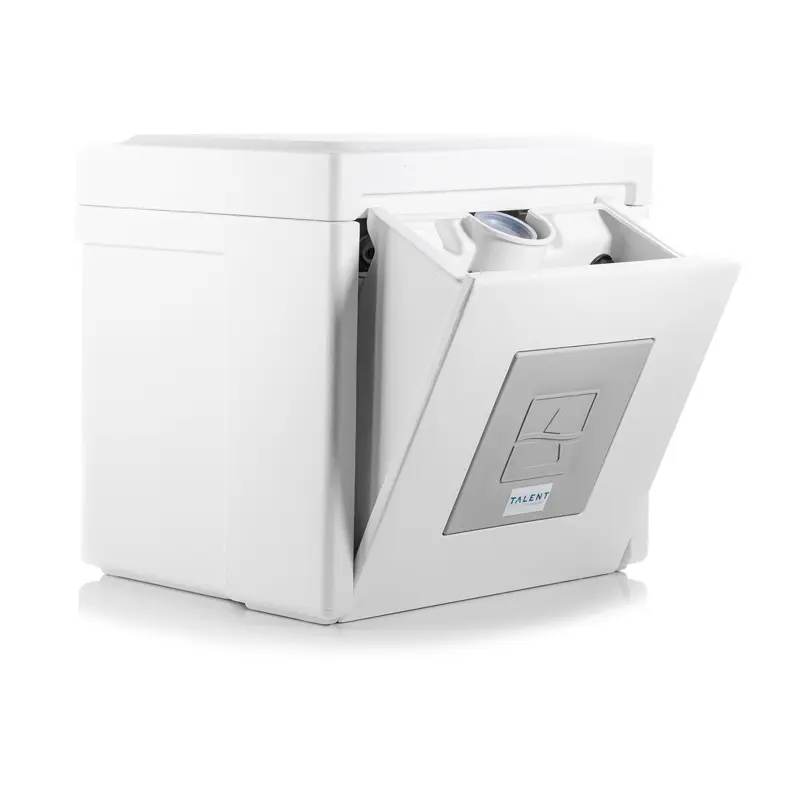
Delta TALENT
Without electricity, it fits everywhere
Compact softeners with 100% hydraulic operation. They do not require an electrical outlet and, due to their small size, can fit in places where other devices cannot. The model 100 M is suitable for up to 4 people, while the model 200 M is suitable for up to 8 people.
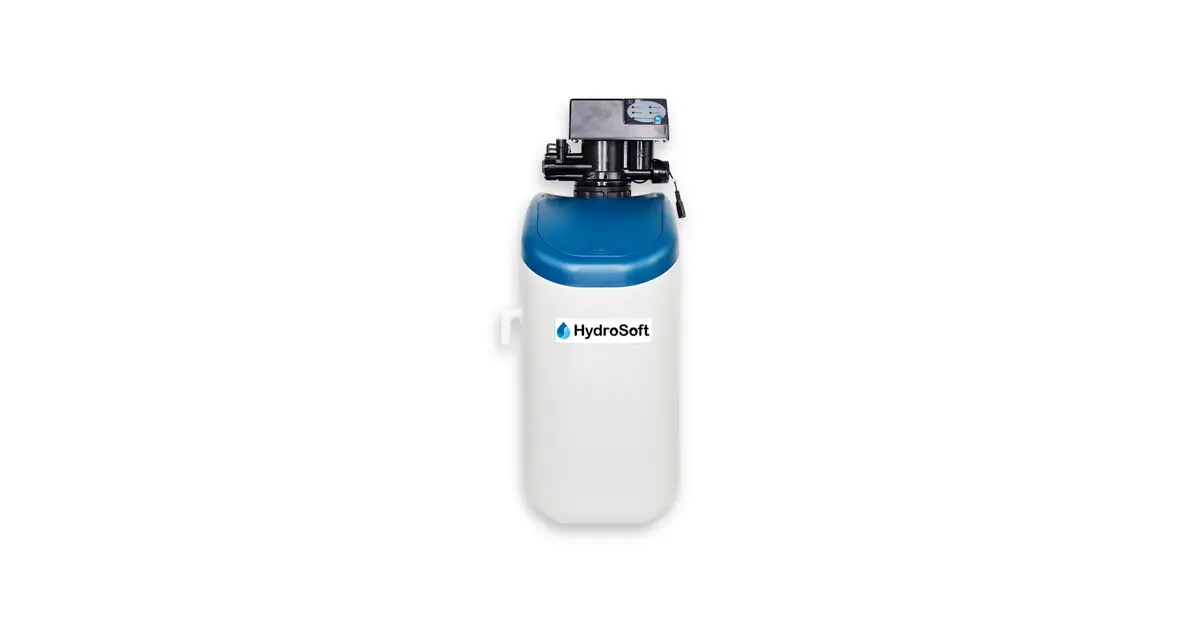
HydroSoft ECONOMY
Friendly price, reliable softening
The basic series of automatic water softeners HydroSoft. It does exactly what it is supposed to do – reduces water hardness with economical salt consumption and maintenance-free operation. A good choice if you are looking for a proven solution at a reasonable price.
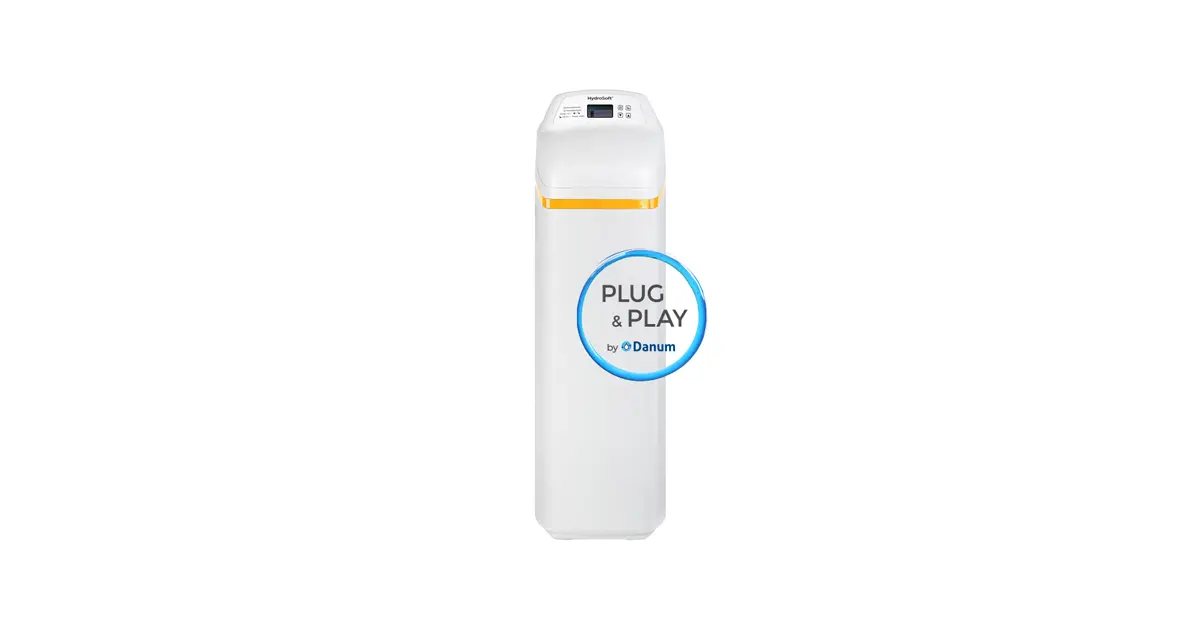
HydroSoft ELITE
Most popular model, fully equipped
Highest level of HydroSoft equipment. Intelligent and counter-current regeneration, soft water in the brine tank, dry brine, vacation mode, and protective features. For those who want to get the most out of their water softener.
Industrial Softening Agents HydroSoft
Higher flows and professional operation
Single-module, double-module, and triple-module solutions for companies, technology, and industry. In multi-module configurations, only one head regenerates at a time, so the supply of softened water is not interrupted.
When is the softener alone not enough?
Water softeners address water hardness. They are not a universal filter for all water problems.
If you have a well and the water contains iron, manganese, turbidity, odor, or other undesirable substances, a different or combined treatment technology may be necessary. In that case, we recommend starting with a water analysis.
If you are only concerned with the quality of drinking water in the kitchen, a more suitable solution may be a separate filtration system or reverse osmosis.
How does a cationic water softener work?
Hard water enters the device
It mainly contains calcium and magnesium ions, which are responsible for water hardness.
Water flows through cation exchange resin
In ion exchange, the resin captures calcium and magnesium and replaces them with sodium ions.
Softened water comes out of the device
It reduces the formation of limescale in pipes, heaters, and appliances.
Resin regenerates
After the capacity is exhausted, the resin is regenerated with a salt solution, and the system can continue softening the water.
Don't know which product you're looking for?
Describe to Danumir what you are dealing with regarding water. He will help you navigate the options and find a suitable device or service.