Treatment of water from the public water supply
Water from the public water supply meets the regulations set by the Ministry of Health and is suitable for drinking. So why is it necessary to treat the water?
Municipal water may not meet the individual needs of some households. Additionally, some areas may have issues due to high levels of calcium and magnesium, which cause water hardness. There may also be a problem with the presence of chlorine, which is used to disinfect municipal water.
Treating water from the public water supply in the home allows for the removal of these undesirable elements and ensures that the water is not only safe but also pleasant to drink and use in the household.
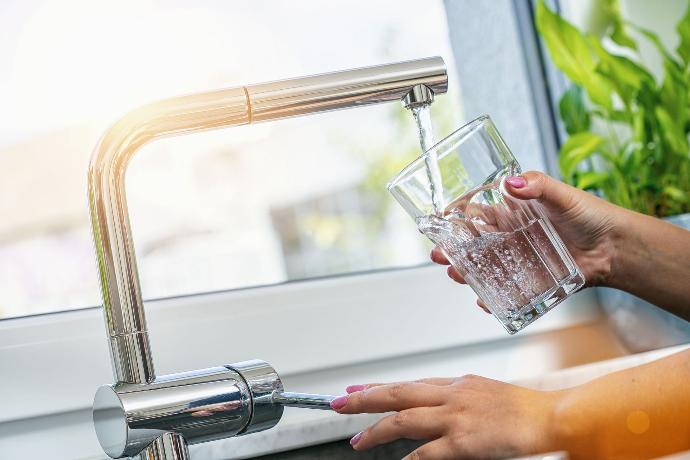
Procedure for treating water from the public water supply:
1. determination of water hardness
City water is suitable for drinking, but it can be very hard.
2. proposal of the solution
Evaluation of results and development of a solution (e.g., water softener) according to needs.
3. device installation
Professional installation and adjustment of water treatment systems according to local conditions.
4. regular service
Regular maintenance ensures the long-term and proper functioning of the device.
5. technical support
If you have any questions, you can contact us, we are happy to help you.
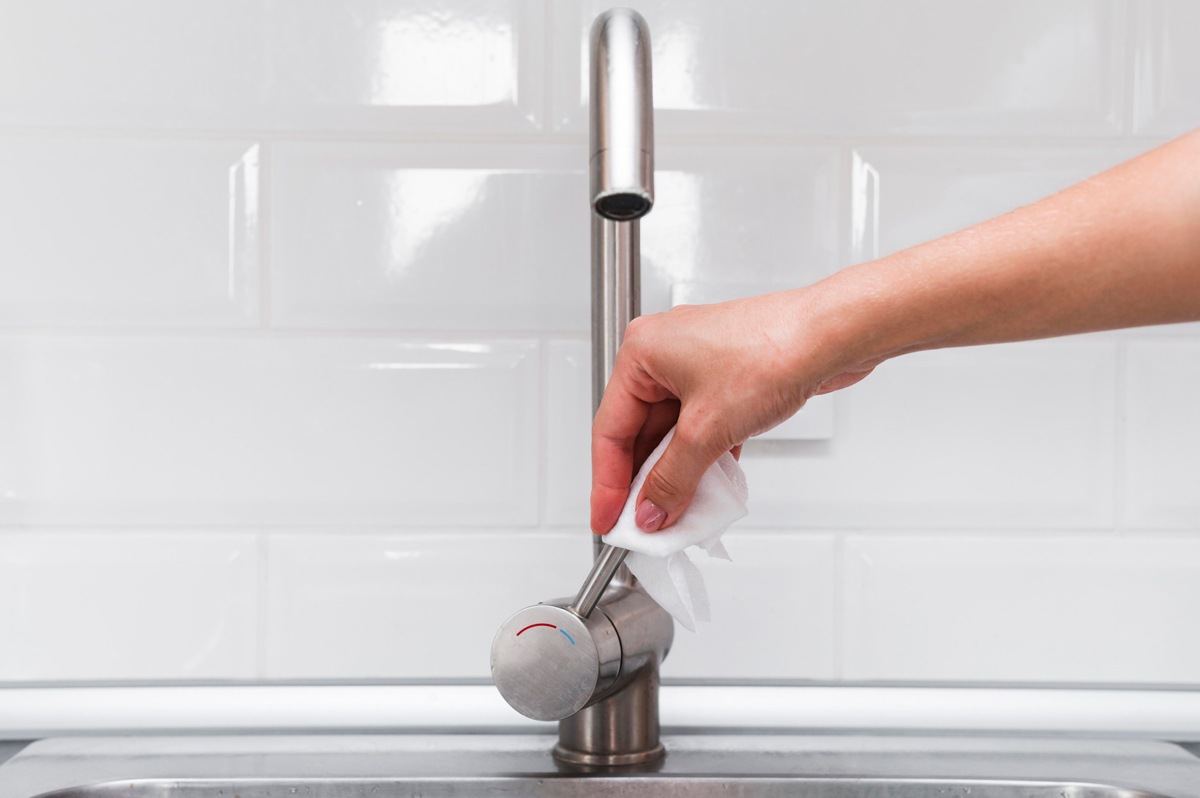
Hard water
One of the most common reasons for treating water from the public water supply is hard water. Although hard water does not affect humans when consumed, it can cause inconveniences in your home. Limescale builds up on the surfaces of showers, toilets, faucets, etc. This makes cleaning more difficult and also shortens the lifespan of all appliances that come into contact with water (water heaters, boilers, kettles, etc.).
There are various types of products that help solve this problem, such as:
• magnets
• electromagnets
• galvanic devices
• cationic water softeners.
When selecting an appropriate solution, it is important to analyze the customer's needs. Based on the findings, a suitable solution can be easily and professionally proposed...

Chlorine
Chlorine is added to the public water supply to maintain the quality of water from the water source all the way to our homes. Without the use of chlorine, the water could become contaminated with various microbiological pathogens.
As a result of the fact that chlorine can cause unpleasant skin problems in people with sensitive skin and drinking directly from the tap can be taxing on the body, it is a good idea to let the water aerate for at least 5 minutes after it has been released from the tap. This way, most of the free chlorine will evaporate from the water; however, the bound chlorine in the water remains.
To remove all chlorine from water, there are various solutions that may not be financially burdensome. Chlorine removal from water can be achieved through central water treatment (on the main supply line) or by using local treatment at the point of discharge (most commonly at the faucet). reverse osmosis.

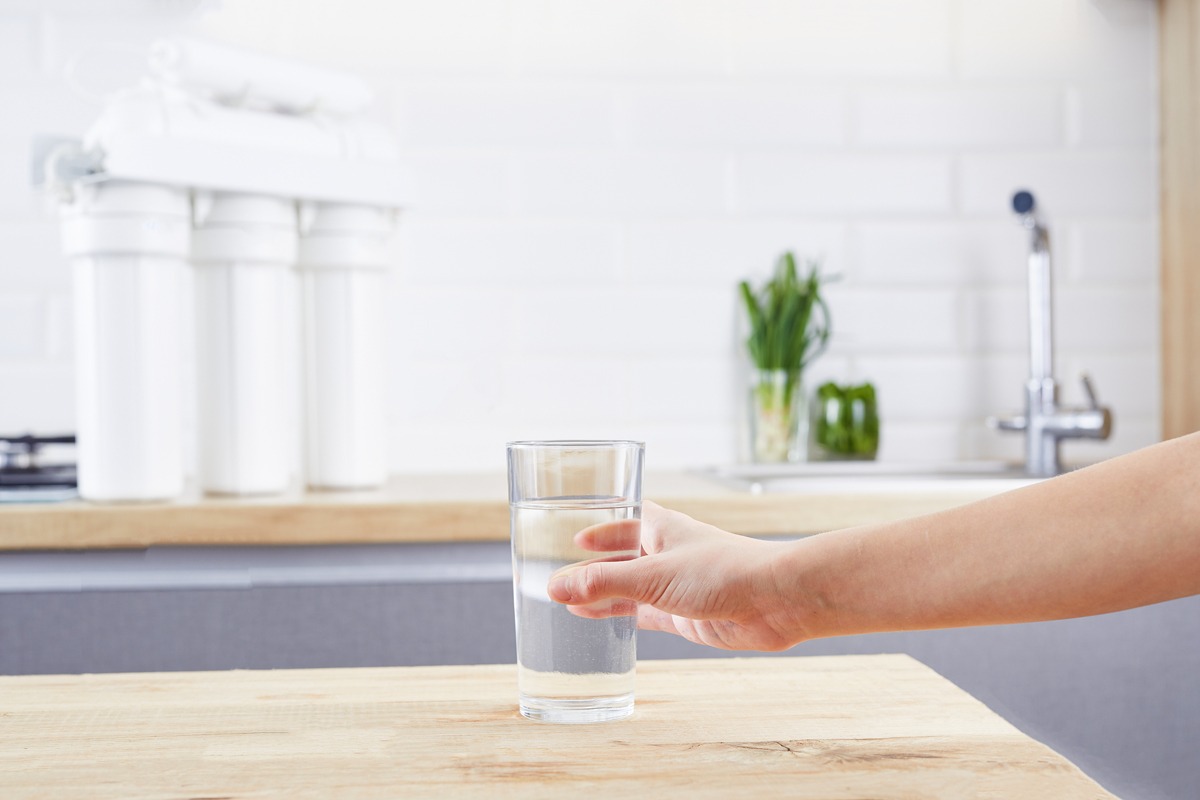
Solutions for treating water from the public supply
Reverse osmosis
Reverse osmosis is a technology that filters out all harmful substances from water, such as dirt, chlorine, microplastics, pesticides, antibiotics, hormones, bacteria, and viruses. This means that tap water remains truly clean.
The device contains 3 pre-filters that are used to capture mechanical impurities.
The most important part of this technology is the reverse osmosis membrane, which follows immediately after the pre-filters. Thanks to the reverse osmosis membrane, the device is capable of filtering water up to 99.98%. After the membrane, there is a carbon post-filter, which is responsible for improving the taste and odor of the water. Higher quality devices also include a mineralizer that adds minerals back into the water - which are necessary for the human body - such as calcium and magnesium.
Zostavy je možné doplniť rôznymi ďalšími filtračnými vložkami, takzvanými stupňami filtrácie.
Zaujímavý stupeň filtrácie môže byť UV lampa, ktorá bráni kontaminácii, nakoľko voda bez chlóru je náchylnejšia na baktérie.
UV lamp, that prevents contamination, as chlorine-free water is more susceptible to bacteria.
Our company has over 15 years of experience in the field of water treatment. We are happy to provide you with free advice in choosing the right solution for water treatment.